
If anyone else is missing the football season due to it’s reschedule, I can definitely recommend a couple of Netflix shows to help curb that need. ‘Sunderland til I die’ (which I will refer to as STID) and ‘The English Game’ (TEG) have filled the hole and surprisingly has taught me a few things about designing services.
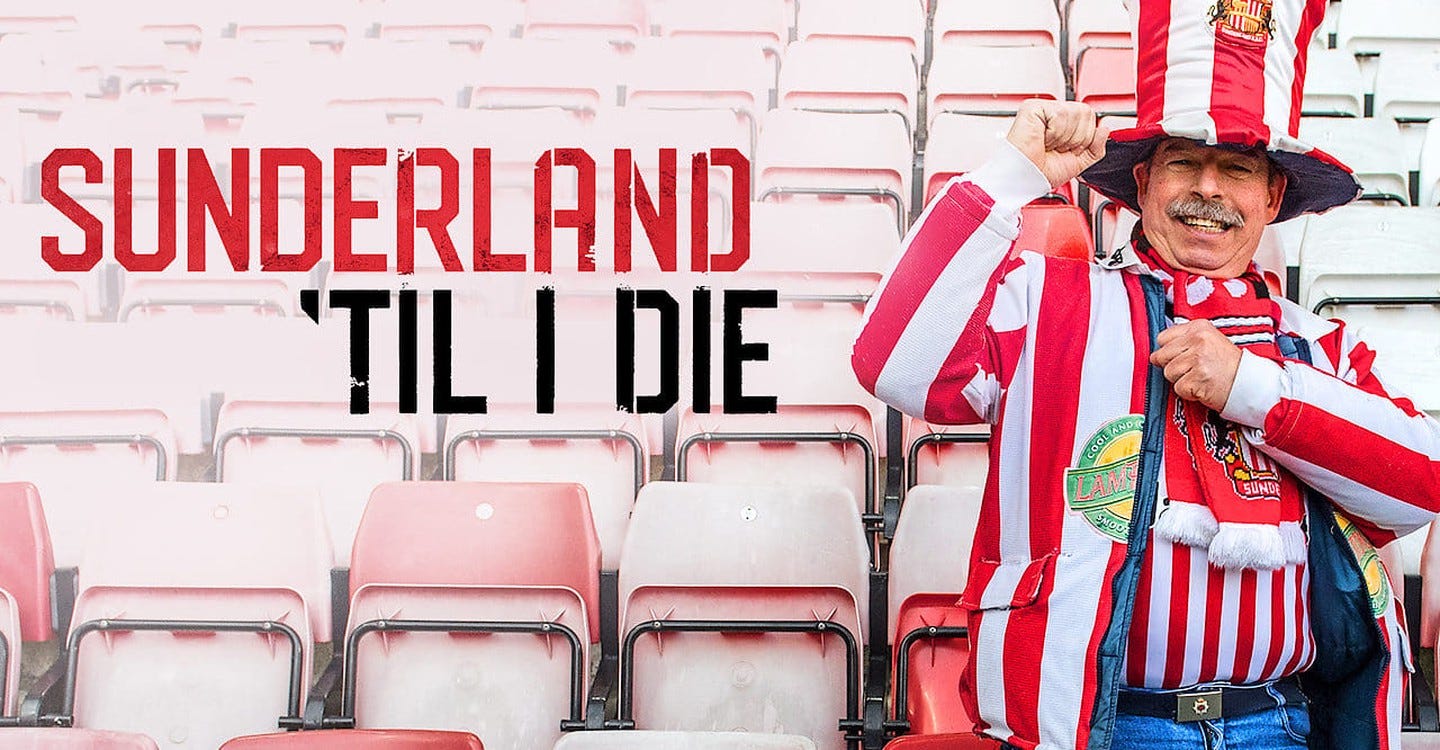
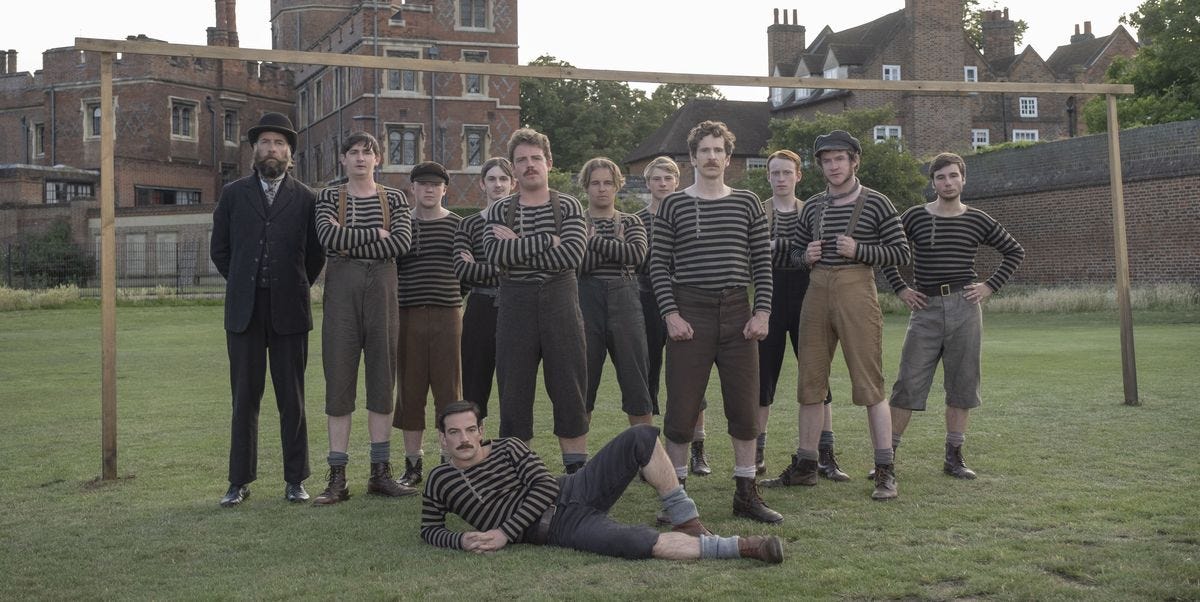
There is an entire society and culture around football, the fans from Sunderland are not just fans but they are part of the club no matter what, often born into it. This can bring hefty pressure on the Club, knowing that the end user, the fan, is not fickle and they won’t be easily turned to another Club. The fans will spend money on the Club as an investment and even if they aren’t always getting what they want they will ride through it until the end. In TEG we saw in episode one, workers who can’t even afford to eat come together and start investing in their football team so that they can go on to play a rematch game in London.
“Don’t those people need that money.. maybe, but they need football too”
This is quite an unusual relationship the service (the Club) has with the end user (the fans). A lot of emotion is embedded in their decisions and although sometimes you might lose some of the fans, it’s all about the long term relationship.
So what can we learn about Football related to services.
1. There is a beginning, a middle and an end. Beyond the match.
In football there is a beginning. The club is starting the season, the games are announced and there is a rush to purchase those season tickets and the new football kits from the stores… there is a middle, mid season there is the transfer window — maybe you are worse/better off than you thought. You have gone to every home and away game, have purchased numerous beers and burgers in the Stadiums across the UK. Then there is the end of the season, either the club has succeeded or not and you are left deciding how committed you are to the team. Can you really go through another season like this?
When it comes to services we often use the terms Awareness, Evaluate/Commit, Learn/Use, Challenge (continued use) and Advocate and Exit.
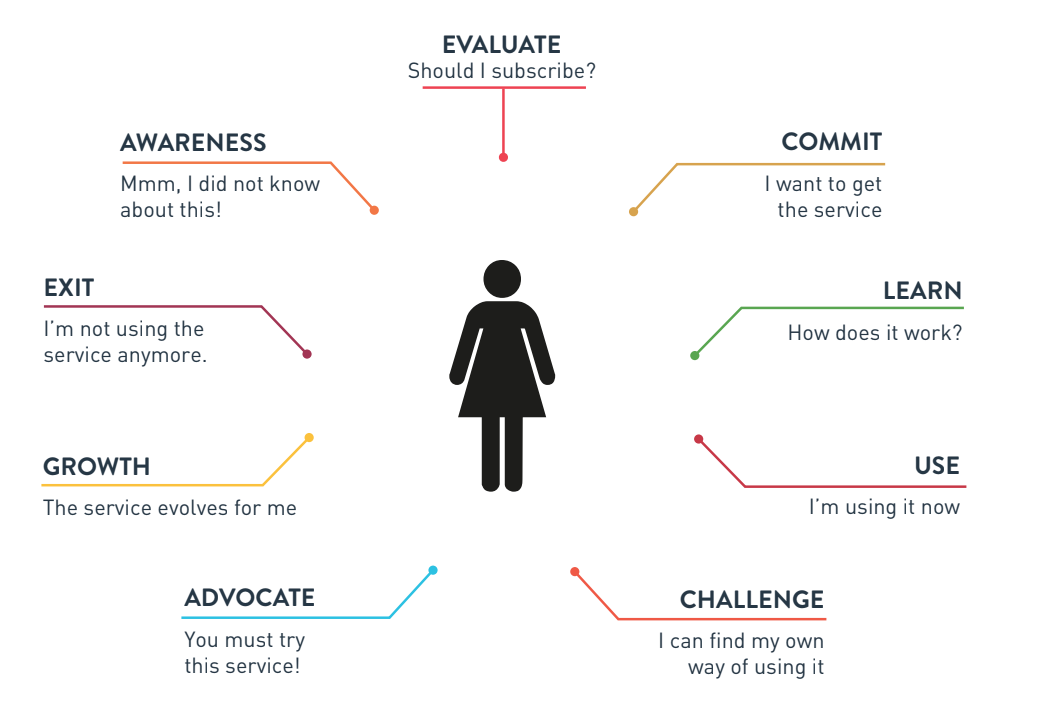
Most people naturally think about the beginning — how are our users going to find out about our service? There is a lot of work done around awareness and acquisition to a product and service.
Then the user commits to the service: buys a match ticket, downloads the app, books a hotel room. They learn and use the service: goes to some football games, plays candy crush for a week, enjoys a 2 night stay at the hotel. They might even challenge the service: starts to travel on the club bus to the away games with the rest of the avid fans, starts to purchase those gems for candy crush to play MORE candy crush, enjoys the spa and restaurant facilities at the hotel. They advocate the service: buys a season ticket and a football kit for their daughter, recommends candy crush to their mum via facebook, gives the hotel a 5 star rating on trust pilot.
But how do you get the user from ‘use’ to ‘challenge’ when you can’t predict the outcome for the Club. Which brings me to point 2.
2. Thinking about every touchpoint, emotionally.
A touchpoint refers to every point of interaction a user has with a service. It is an intersection of a delivery channel and an instance in time, for example booking a train ticket on a mobile app. Touchpoints are critical to the success of a service as they are the interface between the consumption and the delivery of a service.
How to design with emotion. A case study of the Norwegian Football Association is a great example.
In 2015, the Norwegian Football Association had established a research project with AHO (The Oslo school of Architecture and Design) to enhance football experience of fans attending national team games at the national stadium. Using a methodology of research by design, appropriate theory from social anthropology relating to myth and ritual, the “sacred theory” , was operationalised into a new service design model with the aim of orchestrating a new match day experience — to create the memorable and meaningful experience that people will look back to, more than just footballs.
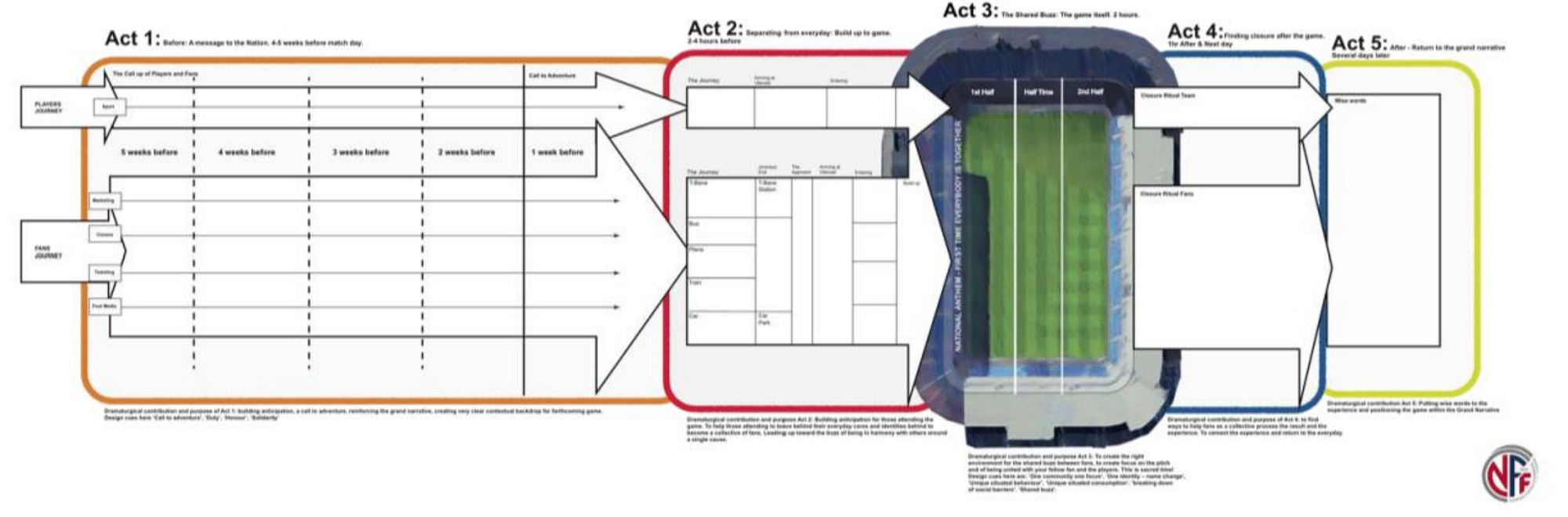
The resulting strategy does this by building a believable contextualising myth that reflects the reality of the national men’ s team. It then ‘performs’ this myth through, storytelling, ritual structures and staged ritual interactions to further engage fans and players in the time leading up to, during and after the game, with the aim of creating a rich context and a dramatization that would build emotional entrainment toward a state of fan ‘collective effervescence’.
Starting with symbolic and totem, the team has redesign the team badge and associated brand merchandise to exhibit pride, solidarity, rawness, and ferocity related to Norwegian landscape in its design. The team creates ritual dramaturgy by paralleling the Norwegian football team with the classic image of David vs Goliath, playing the “quest of the underdog story”. The team has laid a 6 years journey to build the conceptual model for the brand. They no longer consider the product as a single football match, but a 6-year storyline punctuated in episodes. The model has resulted in a new aesthetic for match day through a series of interventions at the national arena that include the stadium dressing, the theatrics of player arrival, storytelling within the stadium and the opening ceremony.
As Service designers we often establish strong context towards service emotions via the use of ritual dramaturgy, psychology, behavioural economics to design thinking, distinguishing between the front stage and back stage. Results from the research suggest that orchestrating the match day experience in this way offers innovation in the design and it provides a more joined-up experiential event through emotional touchpoints. It goes beyond just thinking about one event (the match) and strings together multiple experiences, which is a skill any service designer should have by being able to think from a macro to micro detailed level of the entire experience.
3. As Beyoncé once said.. now let’s get into formation.
In football the coach spends time strategising on the best formation, researching the other players and making sure there is not one weak player. Much like service design, understanding all of the working parts can create a good grounding.
I am not only sitting and binging on Netflix shows, I am also trying to get through a reading list of books. One was ‘Good Services: Decoding the Mystery of What Makes a Good Service’ by Lou Downe (review of this will be next weeks post!) and coincidently she also made a parallel to football.
“I try to advise the oligarchs that own teams that they would be better off spending their 80 million on four pretty good players, rather than one super-star player but they don’t listen… having another Lionel Messi or Abby Wambach on our team gets us kudos and support in a way that training a full squad to be solid players never would.
Lou then goes on to make the comparison to services…
“The same is true of services, where we will often focus on one superstar part of our service over and above any other element… being able to complete a service from start to finish is far more important than having a great experience in one moment.
Service thinking and tools allows us to have that macro level — being able to holistically map out the entire service and focus on all the parts (including and recognising the weak links/opportunity areas) to ensure there is a great experience for the users. If we were to take the approach of football, and only focus on one star service component it would create a disjointed and “bad” service.
And as they say, you are only as good as your weakest link.
 Leila Byron
Leave a comment