Duolingo, you feeling ok? What learning a language during COVID is telling us about the state of the world.
Anyone else’s Duolingo got the touch of the feels?
I think it’s clear 2020 has gotten off to a rocky start (to say the least), and I have a feeling I won’t stop blogging about COVID for a while. As you may know I am learning Swedish, and I have started to notice I am learning some new COVID specific phrases which of course will help me in my day to day ‘Stanna hemma’ (stay home!) and ‘Flygplan flyger inte idag’ (Airplanes do not fly today) but also some I hope to not use in a very long time ‘De ringer mig om hon dör under natten’ (They will call me if she dies during the night). Duolingo is built on crowd sourcing language through a team of volunteers, instead of it remaining stagnant in a 10 year old language book, Duolingo allows us learners to pick up more relevant phrases as illustrated above.
Global traffic on Duolingo soared in March, as COVID-19 spread across the globe and as more countries began implementing stay-at-home orders and closing businesses and schools. Over the month of March, new users on Duolingo increased by 101%. The increase in new users was especially sharp from March 9 to March 16, the week in which the World Health Organization labeled the virus a global pandemic: growth in new users was 39% from one week to the next. (if you want to find out more check this out)
New and existing users of Duolingo are behaving differently: learners who have joined Duolingo during the global pandemic spend 13% more time on Duolingo than was typical for new users in the past, and they study as much during the week as they do on weekends. Many learners used to take advantage of daily commutes to do a few lessons, but now there is an increase in midday language study, especially just before and after lunchtime.
So this got me thinking, outside of us learning a language and as we all try to weather the storm in our own isolated bubbles, I am noticing a few other behavioural traits we have adopted during these times.
- Trying to break the monotony by replacing real life with Island life in Animal Crossing
- Scheduling “clap for carers” on Thursday, which gives people a closer sense of community by everyone joining in locally to show our appreciation for all the essential workers
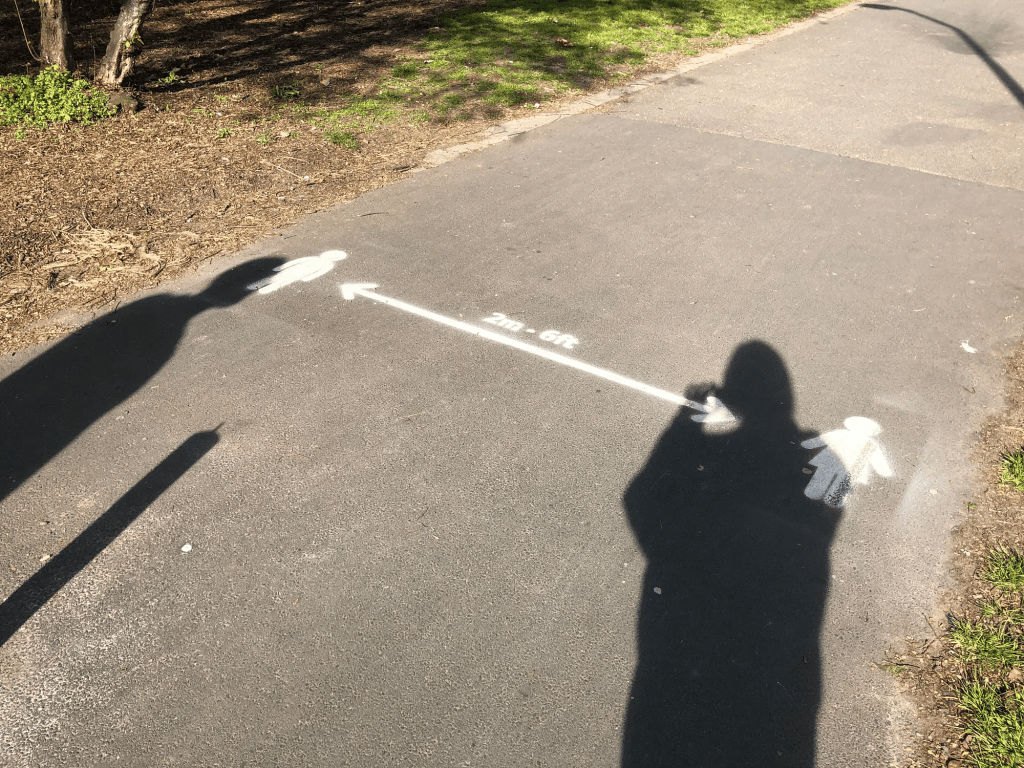
- Social distancing in practice. Crossing over the street when approaching another human but also doing the awkward smile under masks (in hope they will see it) so that they know it’s not personal and we are all just trying to do our part
Thinking beyond just me and my bubble — I wanted to see what other things are emerging globally, in the now and what we can expect for the future.
75% of Brits say they have changed aspects of their behaviour since COVID-19 began to spread.
GlobalWebIndex, 2020
Hashtag New Normal
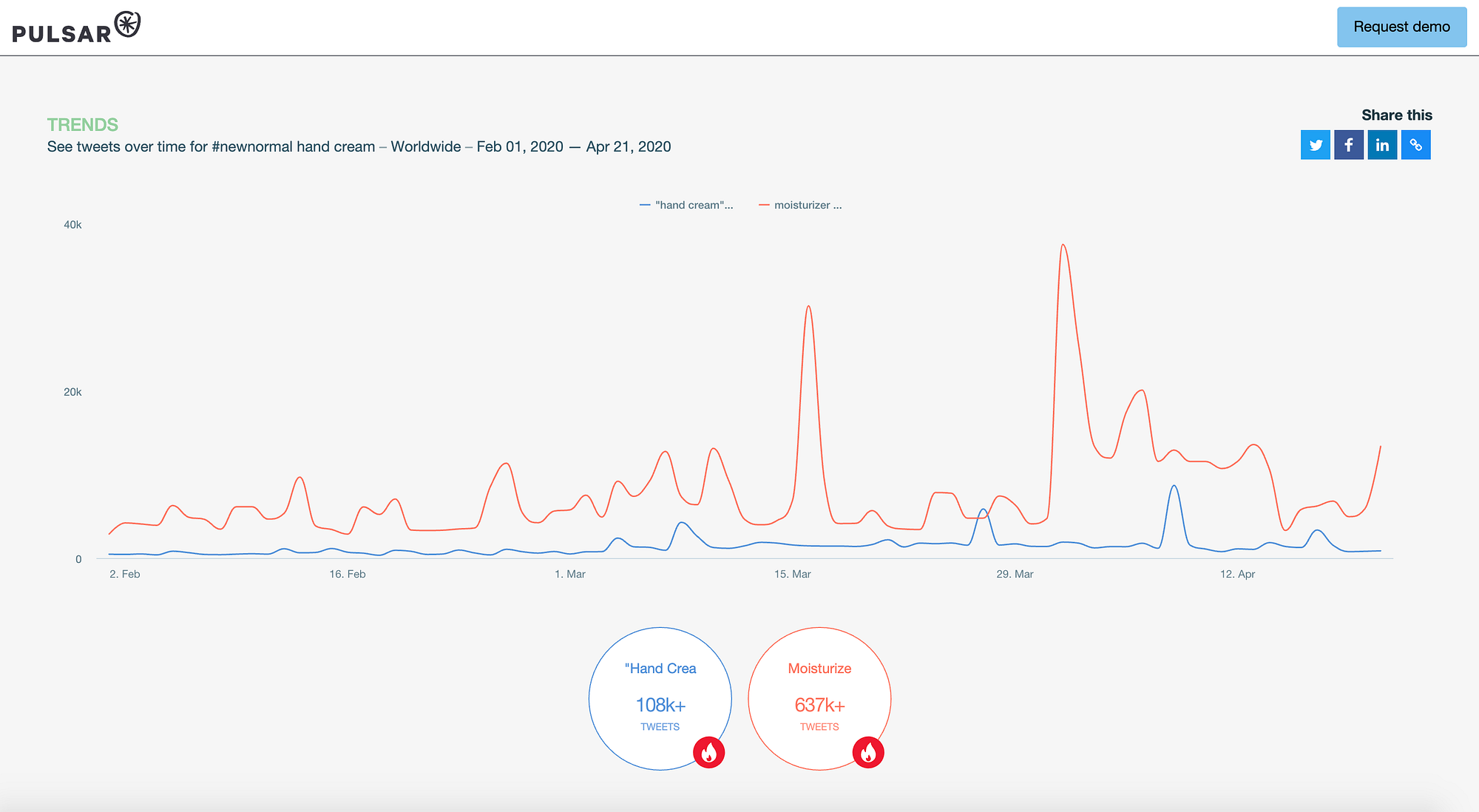
As new behaviours emerge, a new shared reality is setting in, waiting for us on the other side of this crisis. The #NewNormal shows trending hashtags on twitter during the COVID times, displaying which topics are heating up and cooling off, and giving a global visualisation of how trends spread and what we are now showcasing on our socials.
Discussions over Hand Cream VS Moisturiser:
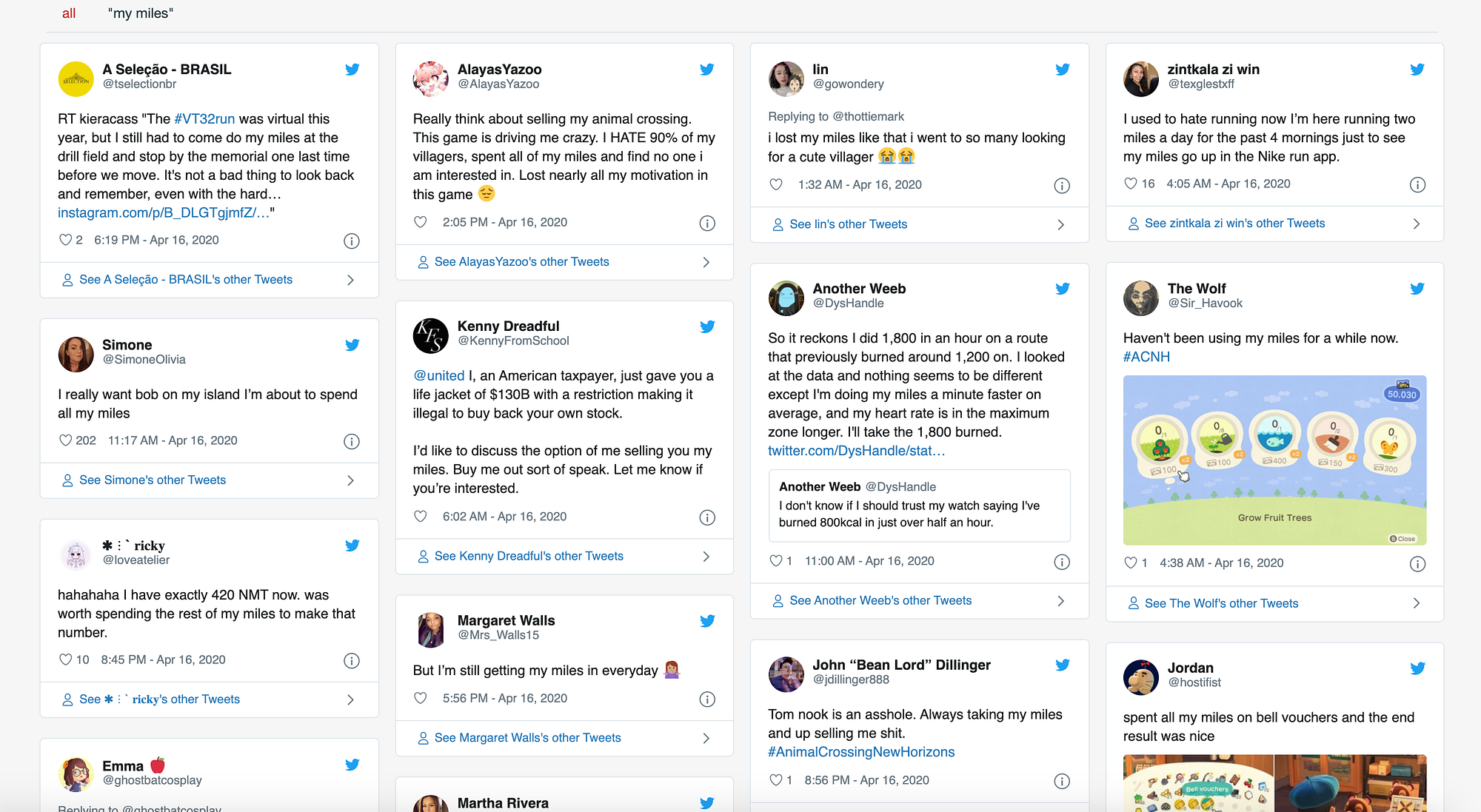
Or looking at the new type of air miles we are acquiring (now that borders are closed) in animal crossing.
So that is all about what we are doing now, but how will our behaviours be affected in the future? What type of things will we be expecting. Which brings me onto the next set of research.
Pandemic Culture
I recently came across a piece of work from Canvas8 on ‘Pandemic Culture — the extraordinary impact of COVID-19 on consumer behaviour and what it means for you’ which is an ongoing WIP being updated as new information evolves. It uses past Global crisis’ to see how that will affect us moving forward.
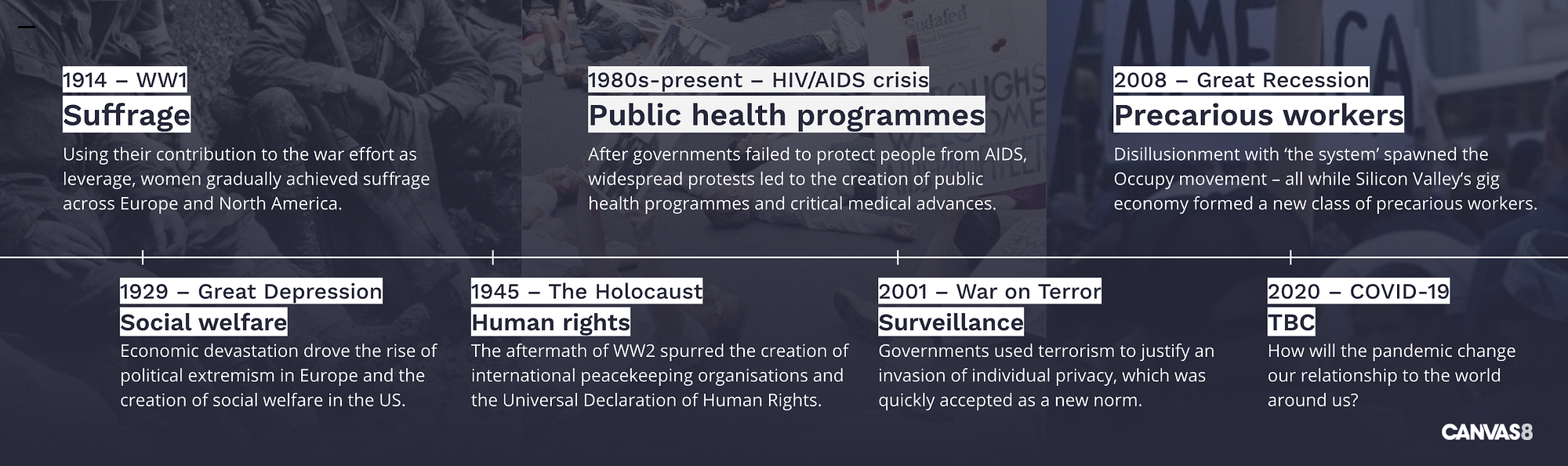
Priorities shift, social unrest and collective effort are all things we are seeing now even in the short time COVID-19 has been around. Relying on previous research and Global crisis we can predict what stages we are currently in and what is to come.
What fascinated me the most was the predicted behaviour changes and how brands and services can react at each of the pandemic stages.
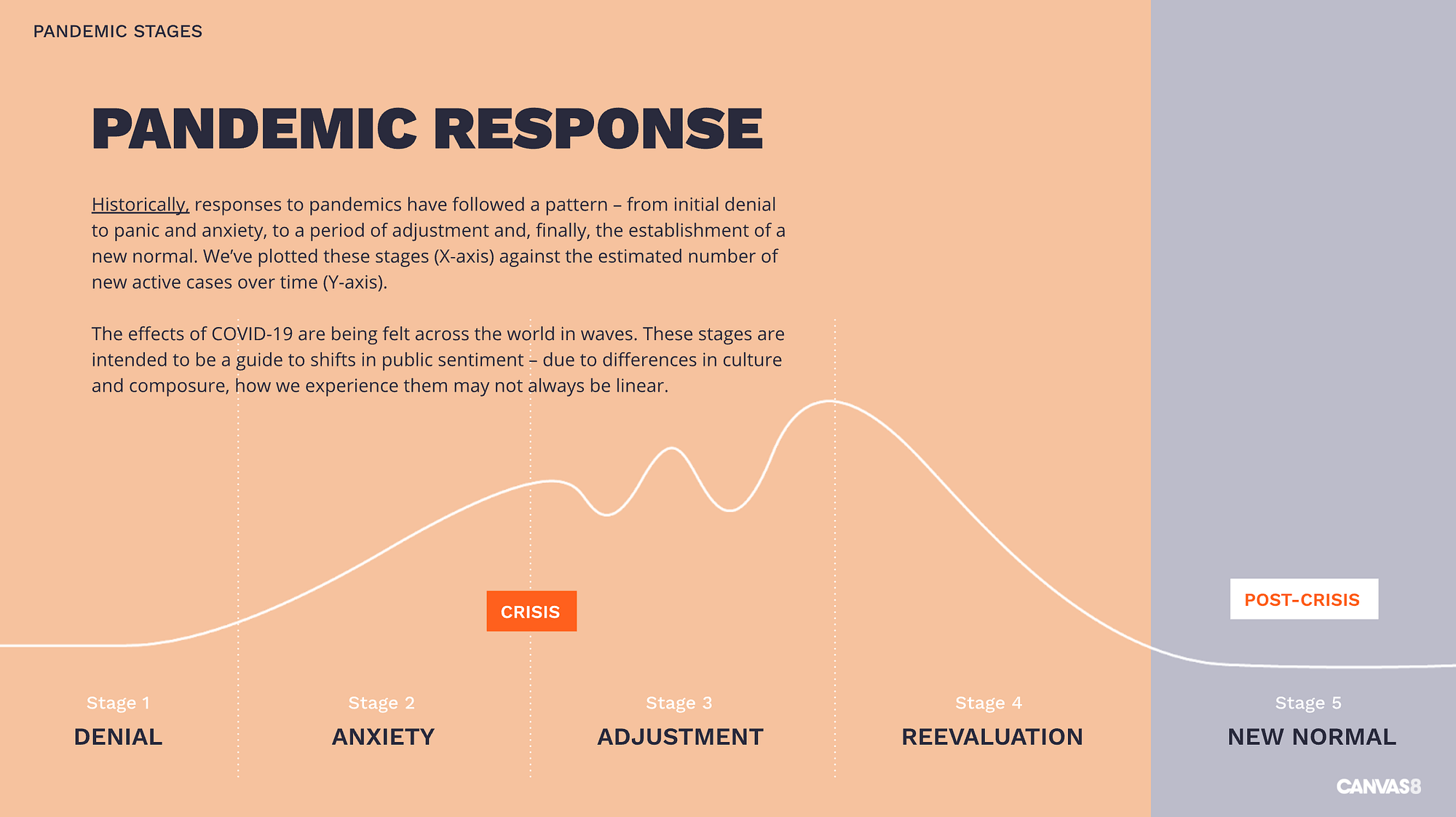
STAGE 1 : Anxiety
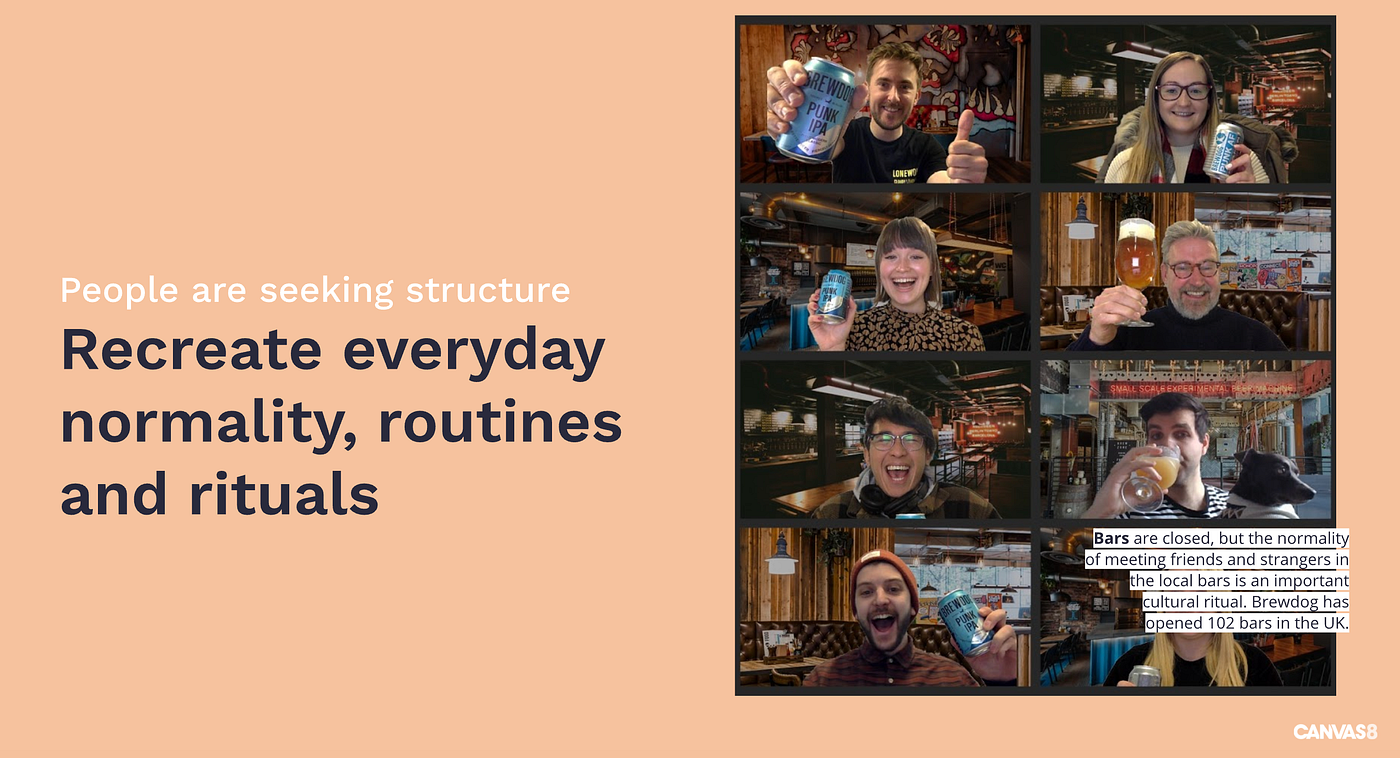
- People are seeking structure : Recreate everyday normality, routines and rituals.
- People are seeking security : Provide enhances control mechanisms.
- People want control and escape : Delineate between fight and flight.
- People want to feel good : Treat wellbeing expansively.
- People are overwhelmed : Be simple, clear, reassuring and consistent.
STAGE 2: Adjustment
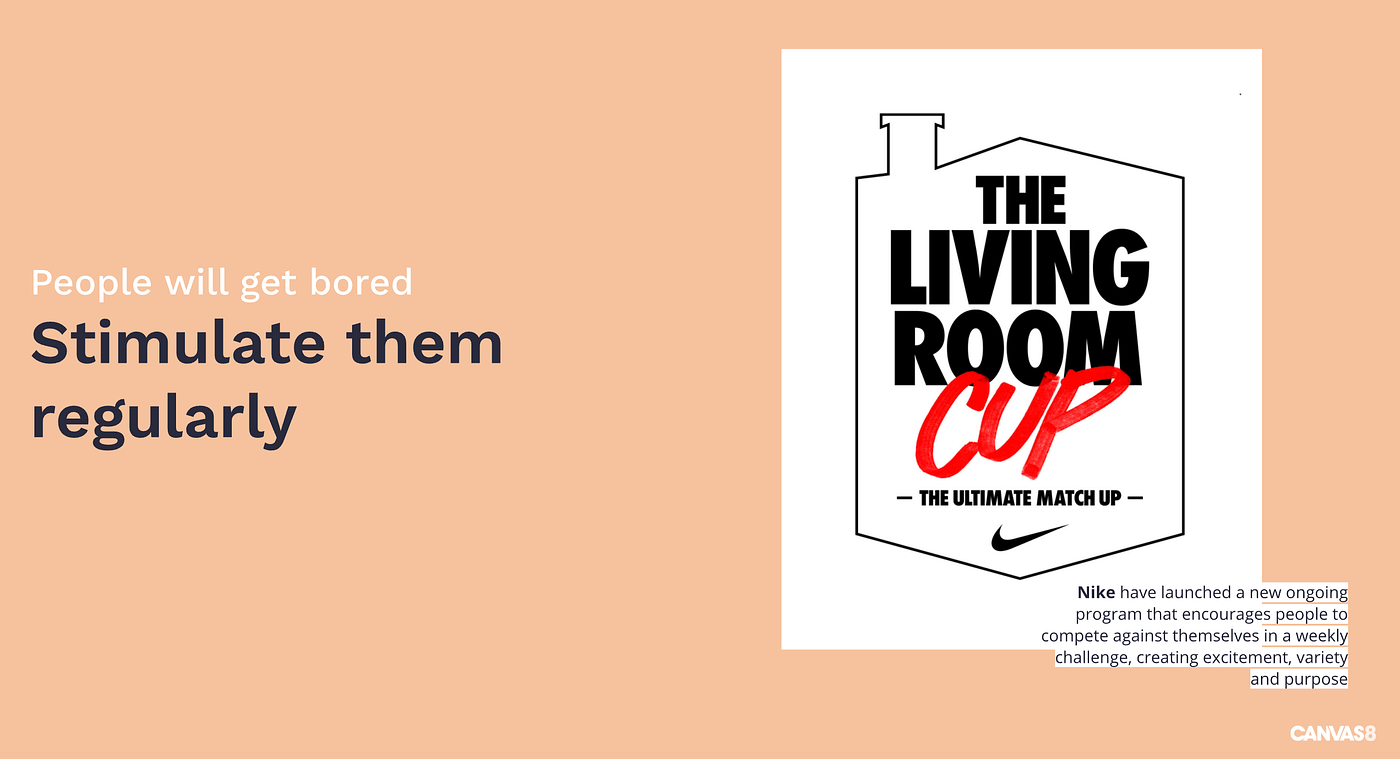
- People will get bored : Stimulate them regularly.
- People’s spirit may be weakened : Help build resilience.
- People will experiment : Demonstrate better.
- People will diverge : Know your role.
STAGE 3: Re-evaluation
- People need to make space for reflection : Enable space for reflection.
- People will look forward : Promote shareable hope.
- People will be looking for change : Engage in discourse.
- People are evaluating their needs : Asserting relevance.
- People want it to be over : Build towards closure.
With such predictions can brands and services start to think more in the future to provide even more value to the new normal and to ease us through the pandemic stages. Are products set up to work in such an agile way? It will be interesting to see how this all unfolds and how the Pandemic Culture canvas will update during these times.
 Leila Byron
Leave a comment